
01
Jochebed
What do we do with all the Father gives to us? If it is from the Father, it will thrive in the places we have unfortunately learned to overlook.
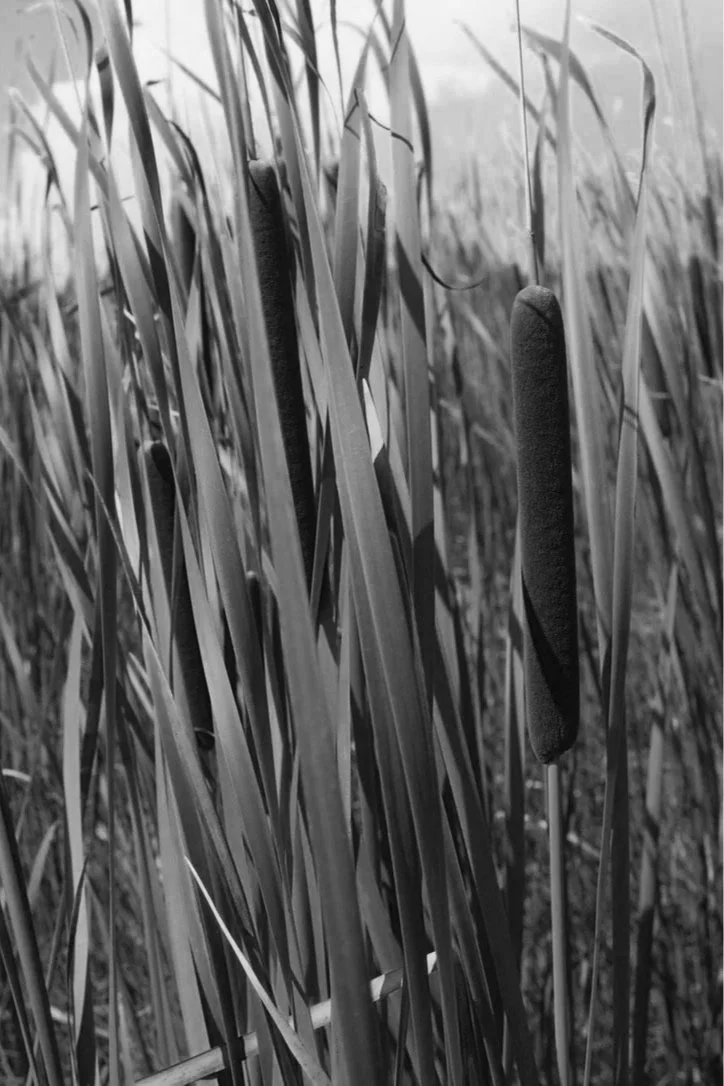
A teaching on the water along the river banks of the Nile in Egypt.
Jochebed, the mother of Moses, received a son from God and was immediately moved by the beauty she saw in her son—enough to successfully hide and protect him from the dark decree of pharaoh for three months. Can you imagine? The account goes like this,
“Now a man from the house of Levi went and took as his wife a Levite woman. The woman conceived and bore a son, and when she saw that he was a fine child, she hid him three months. When she could hide him no longer, she took for him a basket made of bulrushes and daubed it with bitumen and pitch. She put the child in it and placed it among the reeds by the river bank.”
Exodus 2:1-3 (ESV)
The water. The bank of the river: very easy to miss and misvalue. For the most part, if you are standing at a river bank, you are occupied with what is going on in the river. Its pull, its contours, its sounds, etc. But what about where you are standing?
Behold the humility of the Lord. May we ever continue to marvel and delight in the humility and power of our God!
The water at the river bank is shallow. There is not much for us to do—which is always going to be the site for divine intervention and the glory of Jesus Christ. This is where children play and stay, they do not leave this place. We make this point about children to emphasize this more figurative definition of the word shallow the Holy Spirit has led us to: not exhibiting, requiring, or capable of serious thought.¹ The childlike; those who have entered into the Kingdom of God (Mark 10:15) The people of God who “take no thought” (Matthew 6:25) and to whom the Father reveals His will to (Luke 10:21) because they are not wise in their own eyes.
Shallow and warmer water. Simplified in nature. This is the water Jochebed placed or sum Moses in; in Hebrew, this word generally means to put.² The main current of the river was claimed already by dark council—a sweeping sentence of destruction and death incited and sustained by fear. In this illustration, this represents the deceitful pull and desire of the world. What the adulterated mind is set on—getting away from the simplicity of life, from actual wisdom.
When Jochebed placed, or appointed, set, cast in Moses into the shallow water, she preserved his life by setting him in a place to be available for the will of God. In the simple and unprofound, despite the circumstance and the value she perceived in his life. She did not commit him to her own complicated idea of survival—get into the river and go farther and faster away from the stillness. Maybe someone will notice him downstream and he will have a good life. No. Not with the things from God.
The greatest gift ever given + can be received, He was born in a manger and lived a humble hidden life. He is the Son of God, seated at the right hand of the power of God. He is our Savior and friend.
Mary knew.
Jochebed knew.
By God’s grace, you know.
As we receive from the Father and allow the Holy Spirit to reveal to us true treasure through His Word, know that we can only see and experience the fullness of His gifts when we apply them to the simplest things around us and step back. When we mature past the pressure to cast the things of God into the major current or broad philosophies of man, forgoing the demonstration of the power of God for ourselves and others.
Jochebed’s wisdom was in preserving life; preserving what is pleasing and beautiful to God our Father—His way.
May we remain a childlike people, staying low and therefore staying in the perfect will of God, in Jesus name, amen.
-
Oxford University Press. Shallow. In Oxford English dictionary. Retrieved January 20, 2026.
“sum or. sim.” Strong’s Exhaustive Concordance. Bible Hub, https://biblehub.com/hebrew/7760.htm